

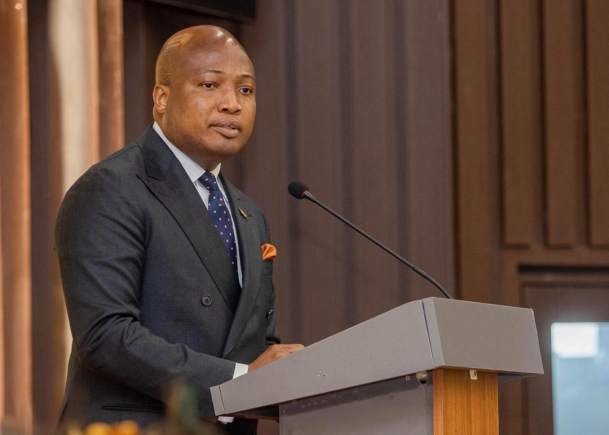
Ghana’s Minister for Foreign Affairs, Samuel Okudzeto Ablakwa, has called on the South African government to take stronger action against xenophobic attacks on foreign nationals.
He said the continuing violence was harming South Africa’s reputation and creating a negative image of the entire African continent.
Mr Ablakwa made the comments in Accra on Monday, July 27, 2026, while welcoming another group of Ghanaians evacuated from South Africa.
He said Ghana would continue holding diplomatic talks with South African authorities to reduce tensions and protect foreign nationals. However, he stressed that stronger measures were needed to end the attacks.
About 150 Ghanaians arrived at Kotoka International Airport as part of the government’s voluntary evacuation programme. The latest operation is part of a second phase expected to bring home about 1,000 Ghanaians who have registered to leave South Africa.
Women, children, elderly people, students and people with medical conditions are being given priority.
The returnees observed a moment of silence for two Ghanaians who reportedly died during the violence.
Mr Ablakwa assured them that the Ghanaian government had not abandoned them. He said President John Dramani Mahama had directed officials to protect the safety and welfare of Ghanaians living abroad.
The minister also announced that the support given to earlier returnees would continue. The evacuees will receive transportation and reintegration allowances to help them settle back into life in Ghana.
Government agencies are also collecting information about the skills and needs of the returnees. This will help connect them with jobs, training and business opportunities. According to the minister, some of the earlier evacuees have already secured employment.
The government’s support package includes financial assistance, healthcare enrolment, psychological counselling, relief items and employment support. Officials are also working to help returnees seek compensation for businesses and properties they left behind. Official reports on the earlier evacuations also confirmed the provision of medical care, counselling, skills training and employment assistance.
Mr Ablakwa said the evacuees had been screened by South African authorities and none was identified as a wanted criminal. He said this challenged claims that foreign nationals were mainly responsible for crime in South Africa.
Despite condemning the attacks, the minister said he believed most South Africans did not support the violence.
The attacks followed weeks of anti-migrant protests in several parts of South Africa. Some groups have accused foreigners of taking jobs and contributing to crime. South African authorities have condemned vigilantism and said immigration laws should be enforced only by authorised government agencies.
More than 160,000 foreign nationals are reported to have left South Africa since March as hostility increased. Some were evacuated by their governments, while others were deported or returned home independently.
Ghana had already brought home about 900 citizens during the first phase of the evacuation programme. The government has also asked the African Union to give greater attention to the attacks while continuing diplomatic efforts to protect affected Ghanaians.